Our Updates

Latest news, events, and initiatives from our work across Sindh

Recent Updates

Health & WASH

Climate-Resilient Health and WASH Infrastructure – PPAF Inaugurates Sanitation Schemes in Coastal Sindh

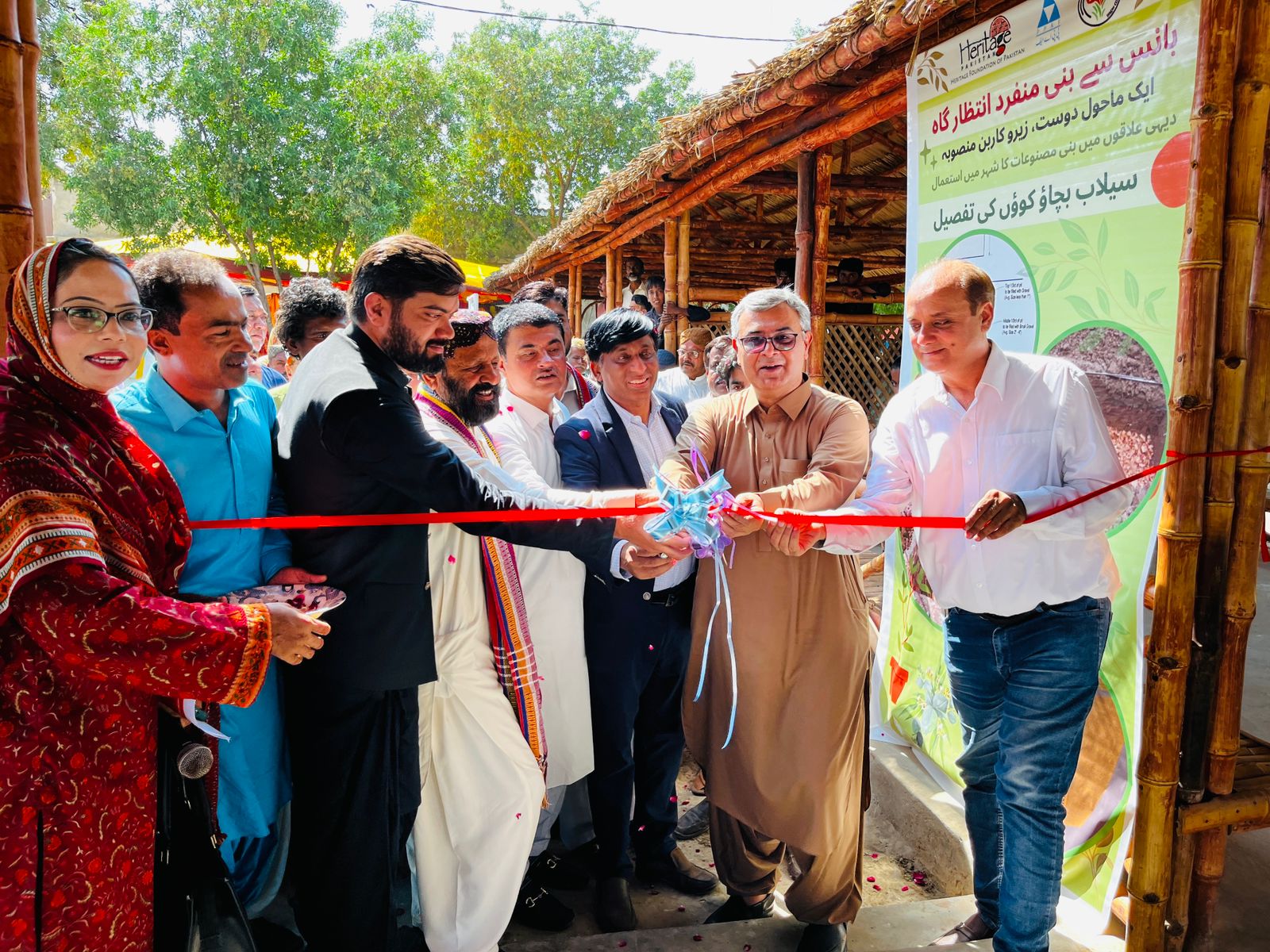
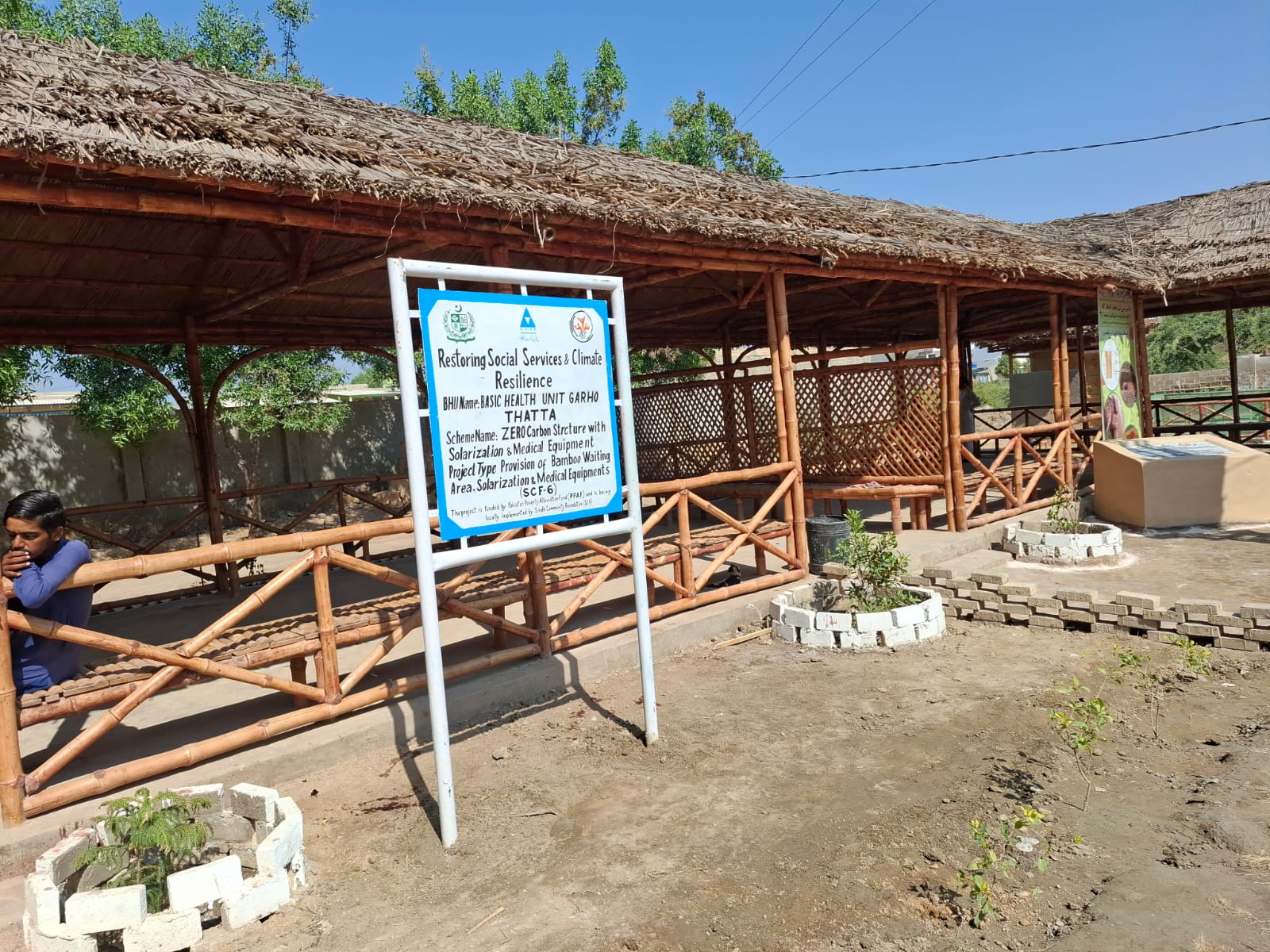
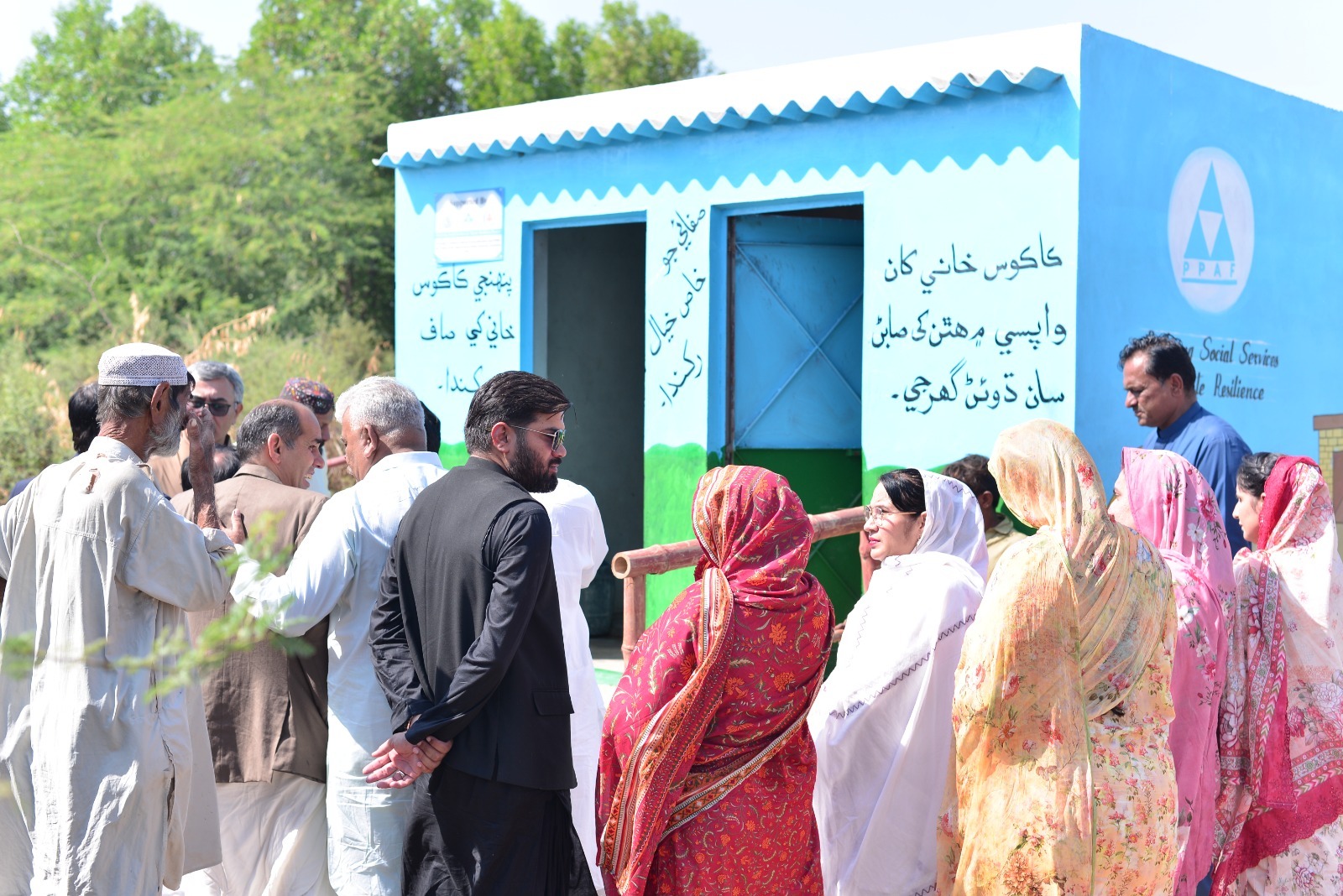
PPAF Sanitation Schemes in Coastal Sindh – Photo 1 PPAF Sanitation Schemes in Coastal Sindh – Photo 2 PPAF Sanitation Schemes in Coastal Sindh – Photo 3

Access to reliable and climate-resilient health and sanitation services remains a critical challenge in the coastal belt of Sindh, where rising poverty, extreme heatwaves, and recurrent flooding continue to threaten lives and livelihoods. In response to these growing vulnerabilities, Sindh Community Foundation (SCF), with the support of the Pakistan Poverty Alleviation Fund, successfully inaugurated sanitation schemes and climate-adaptive community infrastructure under the project "Restoration of Social Services and Climate Resilience" in Union Councils Garho and Bijoro, District Thatta.

The newly developed facilities are centered around Basic Health Unit (BHU) Garho and include eco-friendly shaded waiting areas, a Zero Carbon Shelter constructed with locally sourced natural materials, solar power systems to ensure uninterrupted energy supply, provision of essential medical equipment for maternal and women's health services, and the construction of 60 toilets across five surrounding villages. These integrated interventions are designed to withstand extreme weather conditions while ensuring continuous service delivery. The initiative is directly benefiting more than 5,000 residents, particularly women and children, by improving access to safe, dignified, and climate-adaptive healthcare and sanitation services.

"Climate-resilient infrastructure is the need of the time. As climate change and poverty continue to devastate coastal lives, strengthening integrated health systems, sanitation services, and local infrastructure is vital to securing a resilient and dignified future." — Sadiq Memon, MNA, District Thatta

Mr. Javed Hussain, Executive Director of SCF, highlighted the intensifying climate risks: "Through PPAF's support, SCF has established climate-responsive health and sanitation facilities designed to operate effectively under extreme weather conditions. These low-carbon, solar-powered structures are built with locally available, eco-friendly materials that can withstand heat and heavy rains, ensuring uninterrupted service delivery." He further noted that SCF addressed flooding and waterlogging around BHU Garho through the construction of drainage trenches, ensuring year-round accessibility for patients, especially women seeking maternal health services.

The inauguration was attended by Dr. Rehana Yasmeen (Deputy District Health Officer, Thatta), Mr. Faraz Abbasi (Assistant Commissioner, Ghora Bari), KB Bahrani (Additional Director, Social Welfare Department), Mr. Rehman Gul (PPHI District Manager), Ms. Humera (Project Manager, SCF), and Irshad Ahmed (SCF). Community members including Ghulam Nabi and Masi Shareefa expressed their appreciation for the initiative.
Education

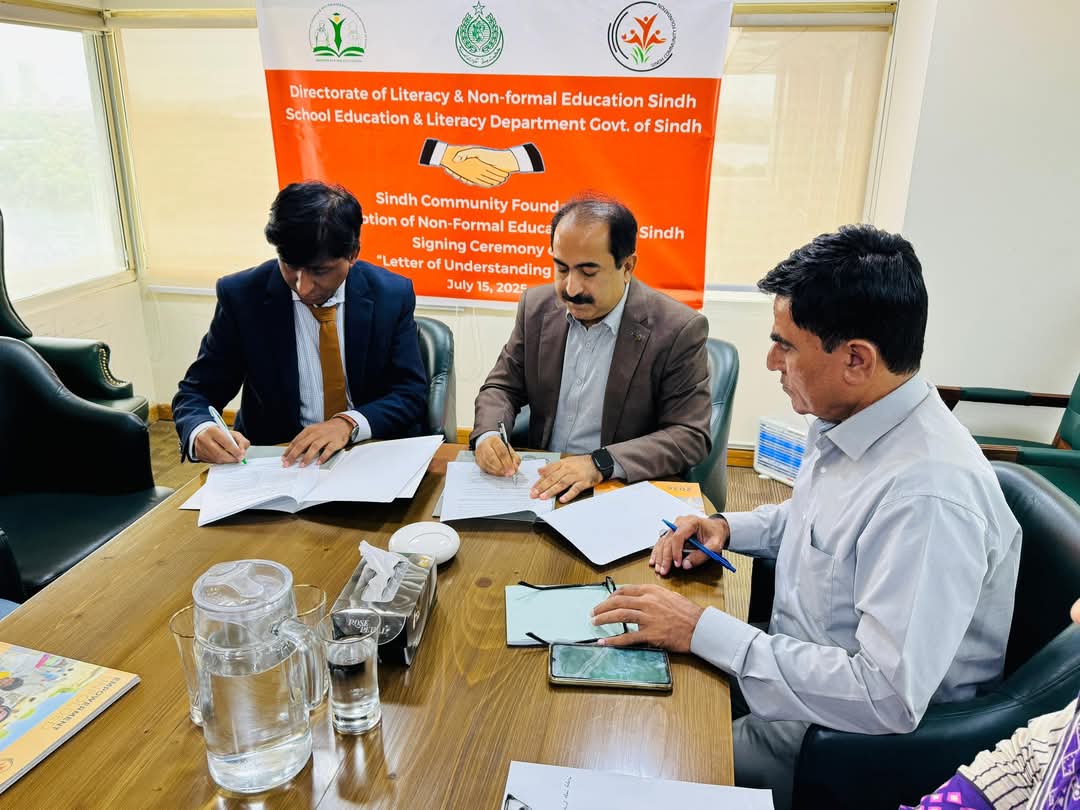
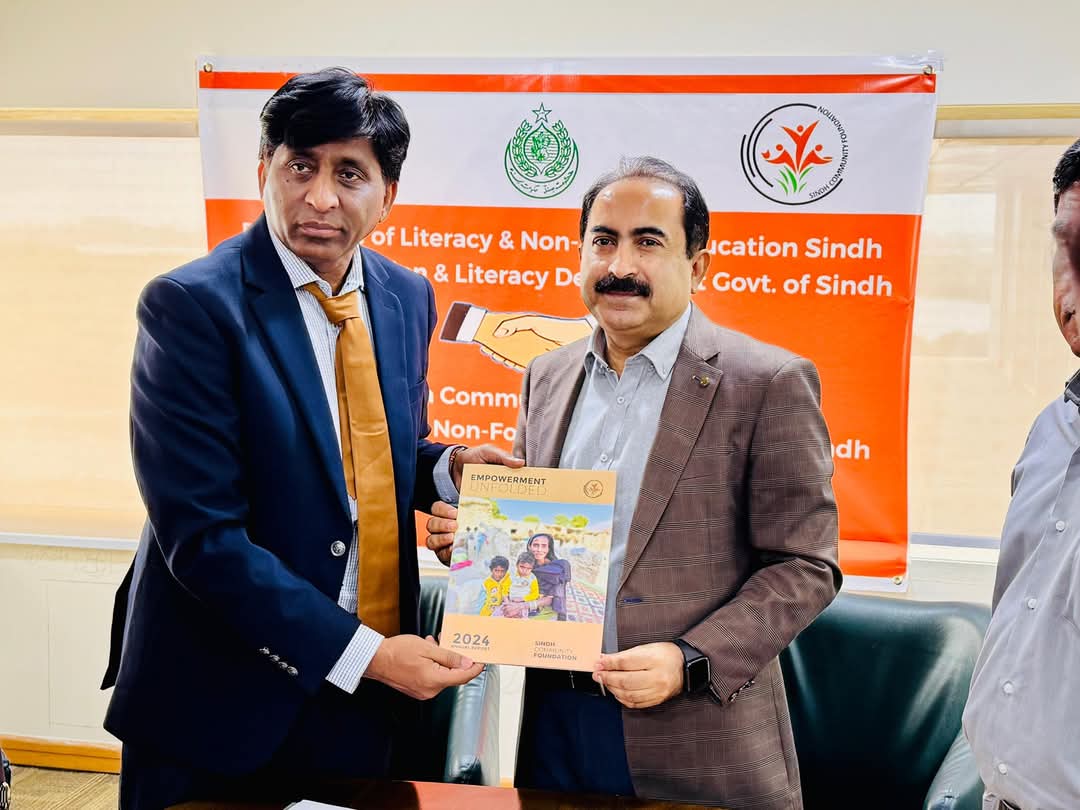
MOU with Directorate of Literacy and Non-Formal Education (DLNFE) – Empowering Rural Women Through Literacy

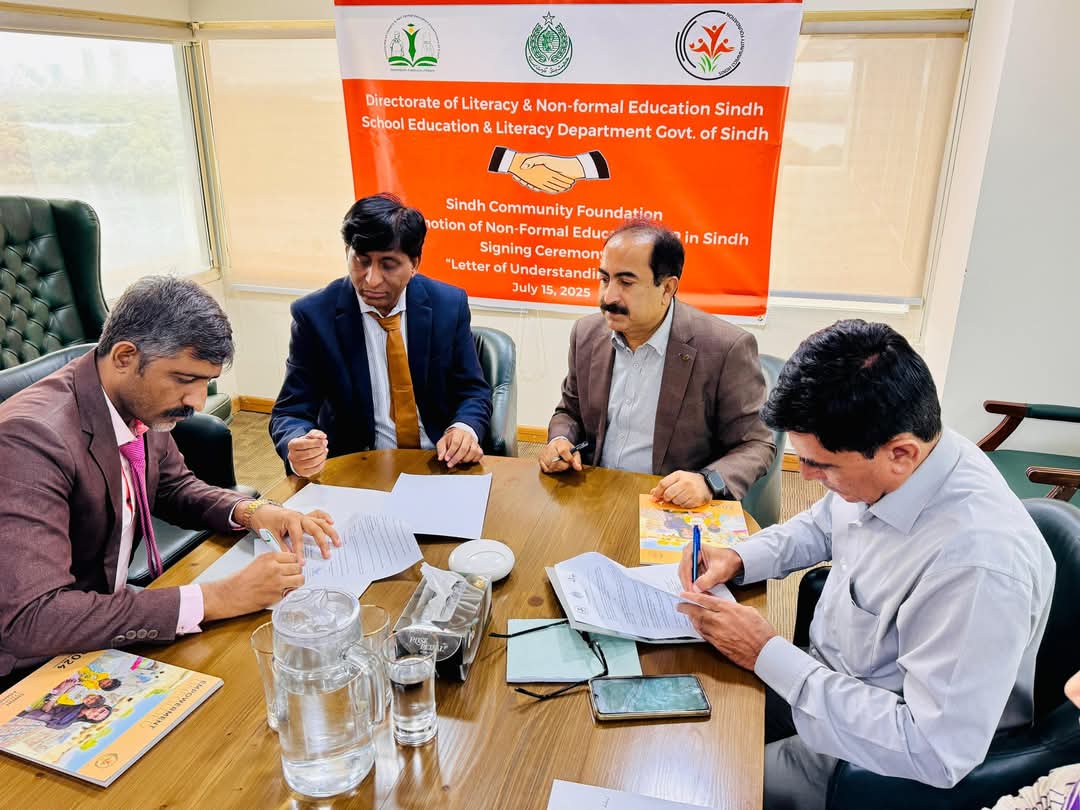
DLNFE MOU – Empowering Rural Women Through Literacy – Photo 1 DLNFE MOU – Empowering Rural Women Through Literacy – Photo 2 DLNFE MOU – Empowering Rural Women Through Literacy – Photo 3

The Directorate of Literacy and Non-Formal Education (DLNFE) Sindh and the Sindh Community Foundation (SCF) have formalised a partnership to expand literacy access for rural women through the signing of a Letter of Understanding (LoU). Over the next three years, the initiative will establish 100 literacy centres, aiming to equip 3,000 rural women agriculture workers with essential reading, writing, and numeracy skills across Matiari, Sanghar, Thatta, and Mirpurkhas districts where female literacy rates remain critically low.

"This initiative is about more than just teaching women to read — it is about weaving literacy into the very fabric of rural life, where it has long been absent. Education shapes nations, and every step we take today helps us transcend yesterday's limitations." — Director DLNFE Sindh Abdul Jabbar Mari

Executive Director SCF Javed Hussain said, "We have witnessed firsthand how literacy transformed the lives of 789 rural women in earlier phases. Those women now calculate wages and keep records with confidence. With this new collaboration, we embark on a broader mission to reach thousands more and transform learning into liberation." The programme includes joint needs assessments, context-specific curriculum development, trained literacy facilitators, and monitoring via NFEMIS.

Advocacy

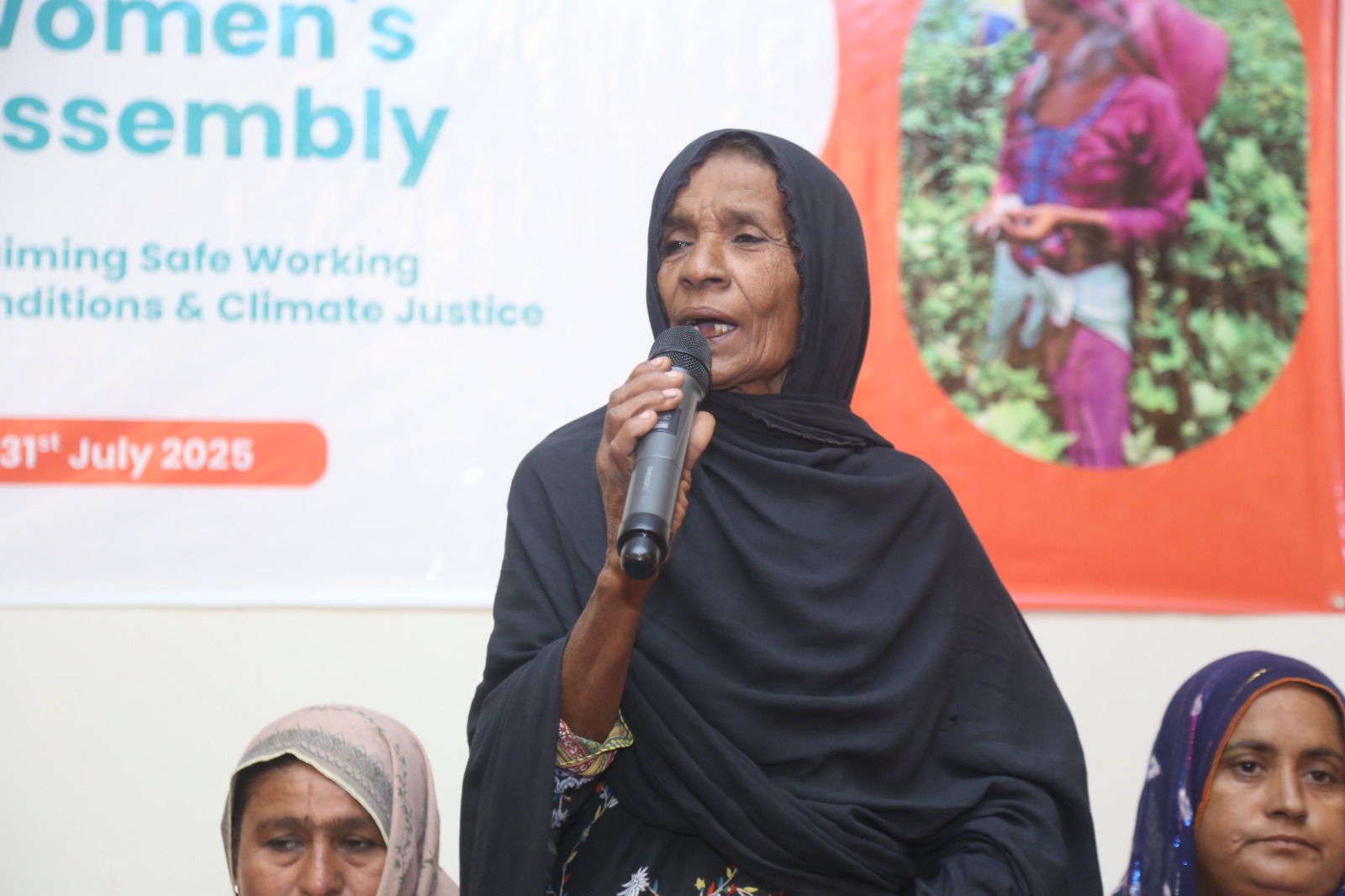
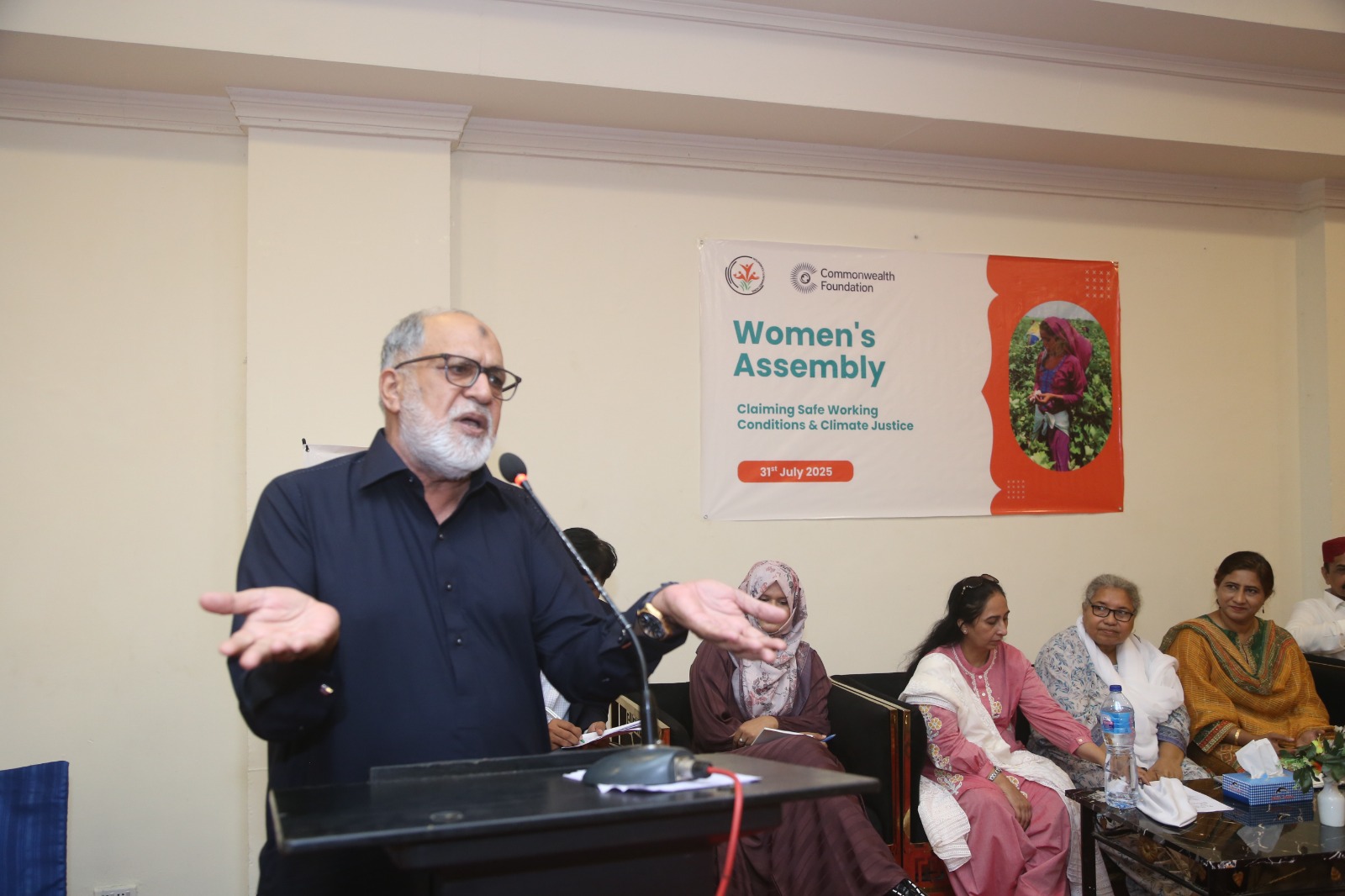
Women Cotton Workers Demand Enforcement of Labor Laws and Climate-Safe Protections

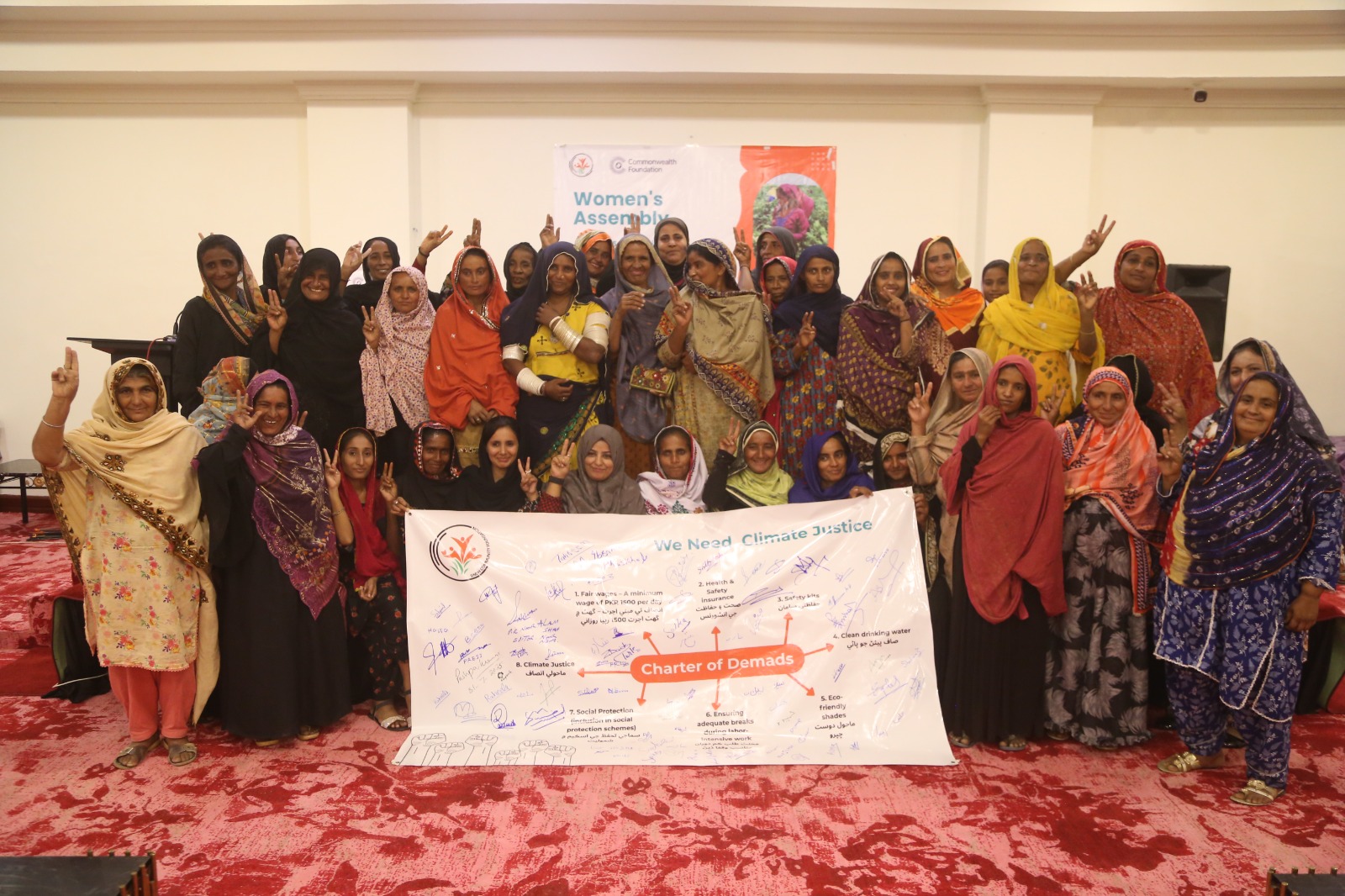
Women Cotton Workers Assembly – Photo 1 Women Cotton Workers Assembly – Photo 2 Women Cotton Workers Assembly – Photo 3

SCF, in collaboration with the Commonwealth Foundation, convened a Women's Assembly in Hyderabad under the theme "Claiming Safe Working Conditions and Climate Justice." The forum brought together more than 90 participants, including women cotton workers, trade union leaders, progressive growers, civil society representatives, and officials from the labor, social welfare, health, and environment departments.

The assembly addressed systemic challenges faced by over one million women cotton workers across Sindh—exploitative wages, exclusion from formal labor protections, and climate-related vulnerabilities. Javed Hussain, Executive Director, emphasised: "Climate change is not just an environmental issue — it is a growing threat to the health and dignity of rural women workers. The government must act urgently to recognize and protect them."

The assembly concluded with unified policy demands including: immediate enforcement of the Sindh Women Agricultural Workers Act (2019); strict minimum wage compliance; universal health insurance and expanded social protection; inclusion in welfare boards and compensation schemes; labor rights awareness campaigns; climate adaptation measures (eco-sheds, shaded rest areas, tree plantation); and simplified enrollment for social protection programs.

Livelihood

Distribution of Livelihood Support & Women's Economic Empowerment

Livelihood Support & Women's Economic Empowerment – Photo 1 Livelihood Support & Women's Economic Empowerment – Photo 2 Livelihood Support & Women's Economic Empowerment – Photo 3

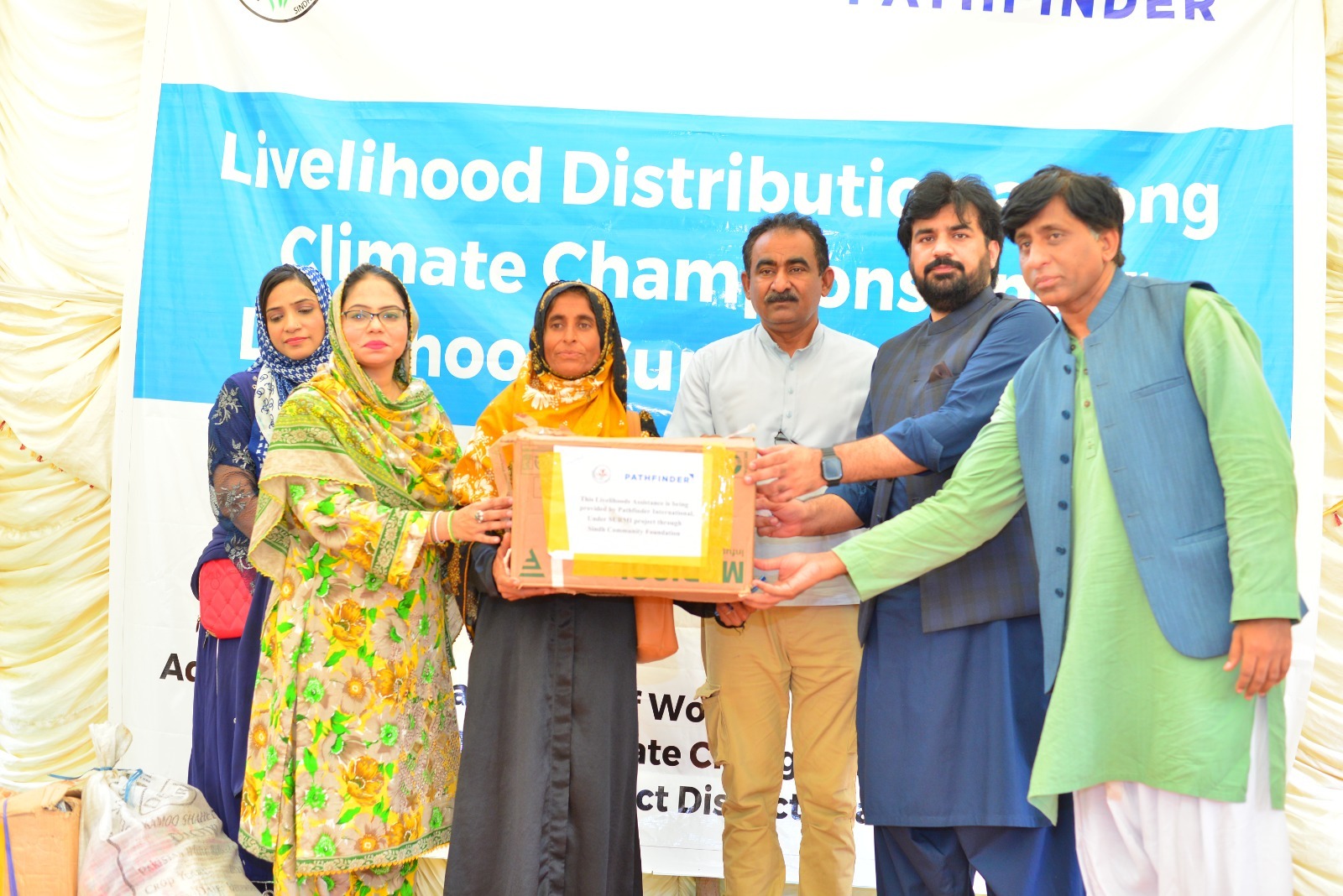
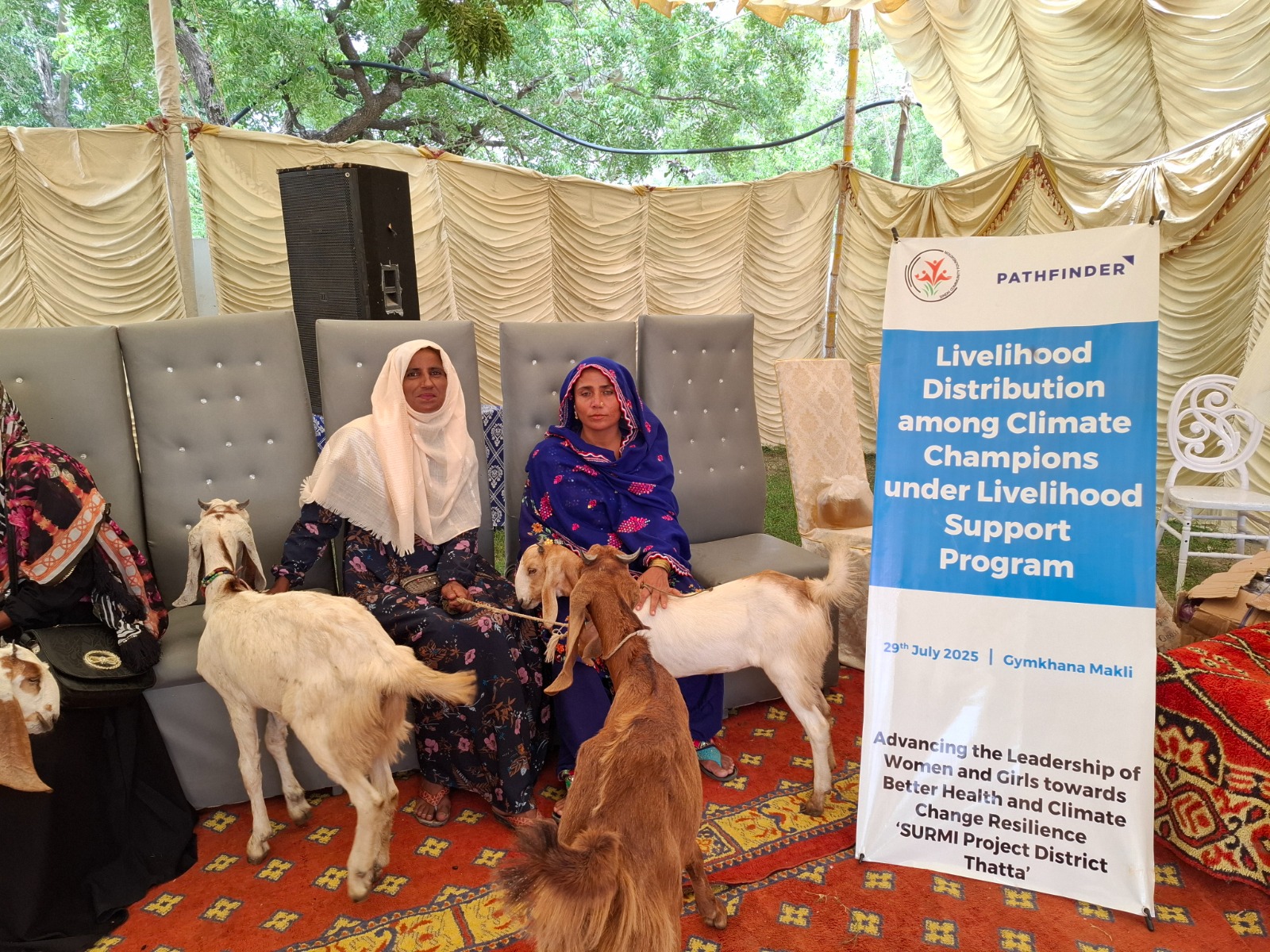
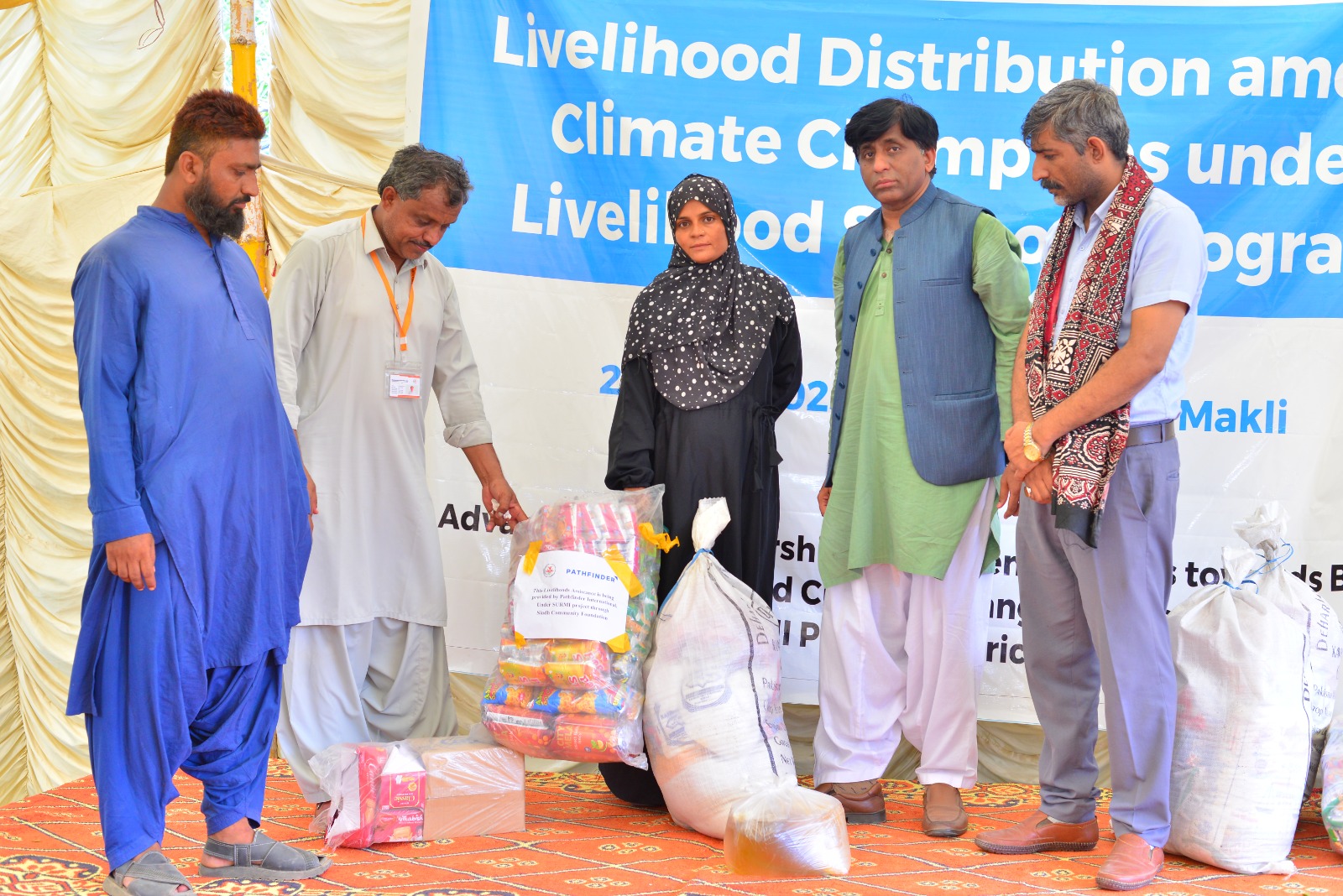
Under the SURMI project supported by Pathfinder International, SCF completed literacy, vocational training, and livelihood asset distribution activities in District Thatta to strengthen women's economic resilience against climate-induced poverty.

The closing event brought together over 250 women from 35 villages along with government officials and civil society representatives. As part of the initiative, 30 Women Climate Champions received livelihood assets including goats, sewing machine kits, grocery shop materials, crockery stalls, and Manyari items to establish or expand micro-enterprises. Additionally, 86 women completed six-month adult literacy classes and 110 women graduated from advanced vocational training programs. The initiative reinforced that economic empowerment requires not only skills training but also market access, seed capital, and institutional support.

Youth

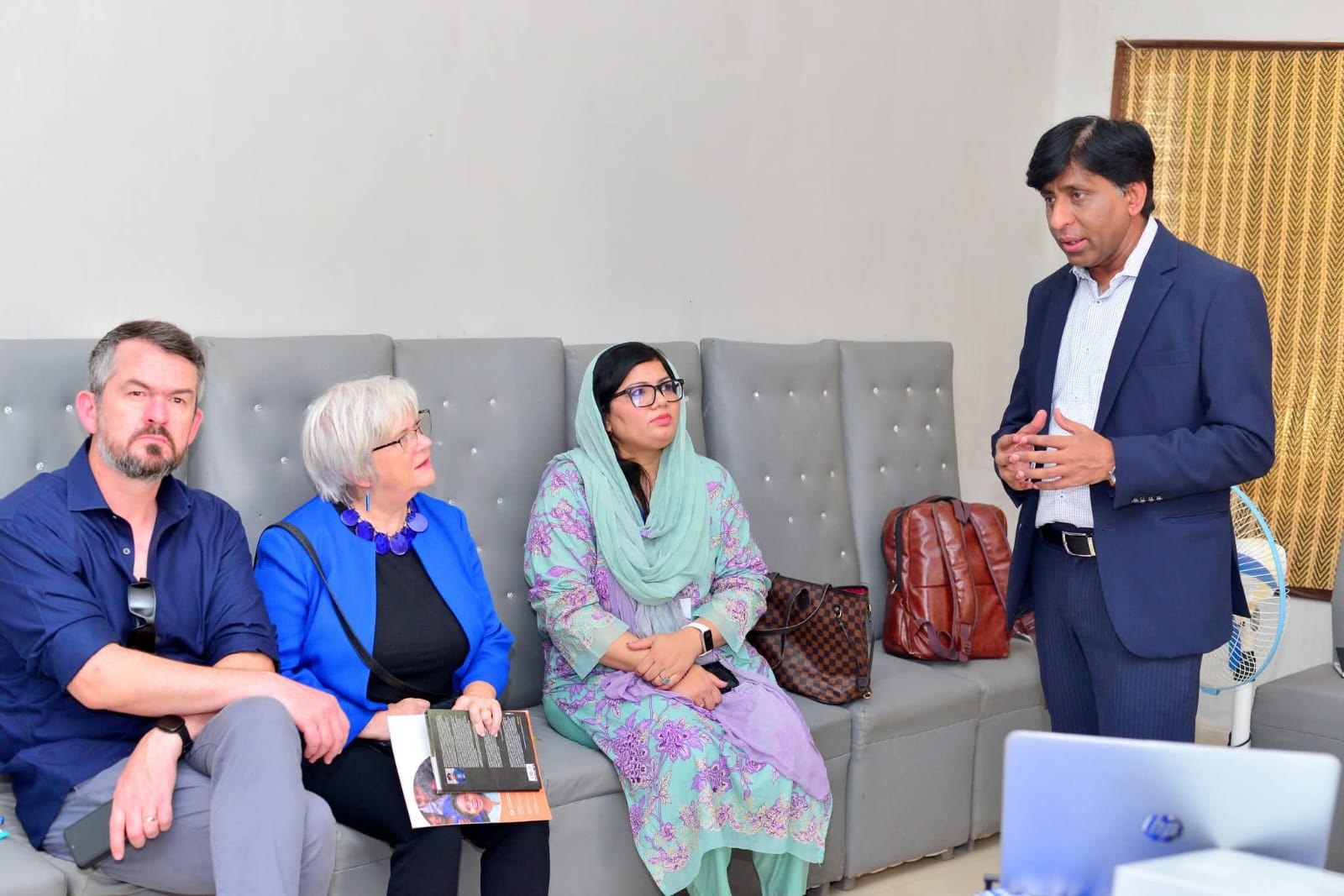
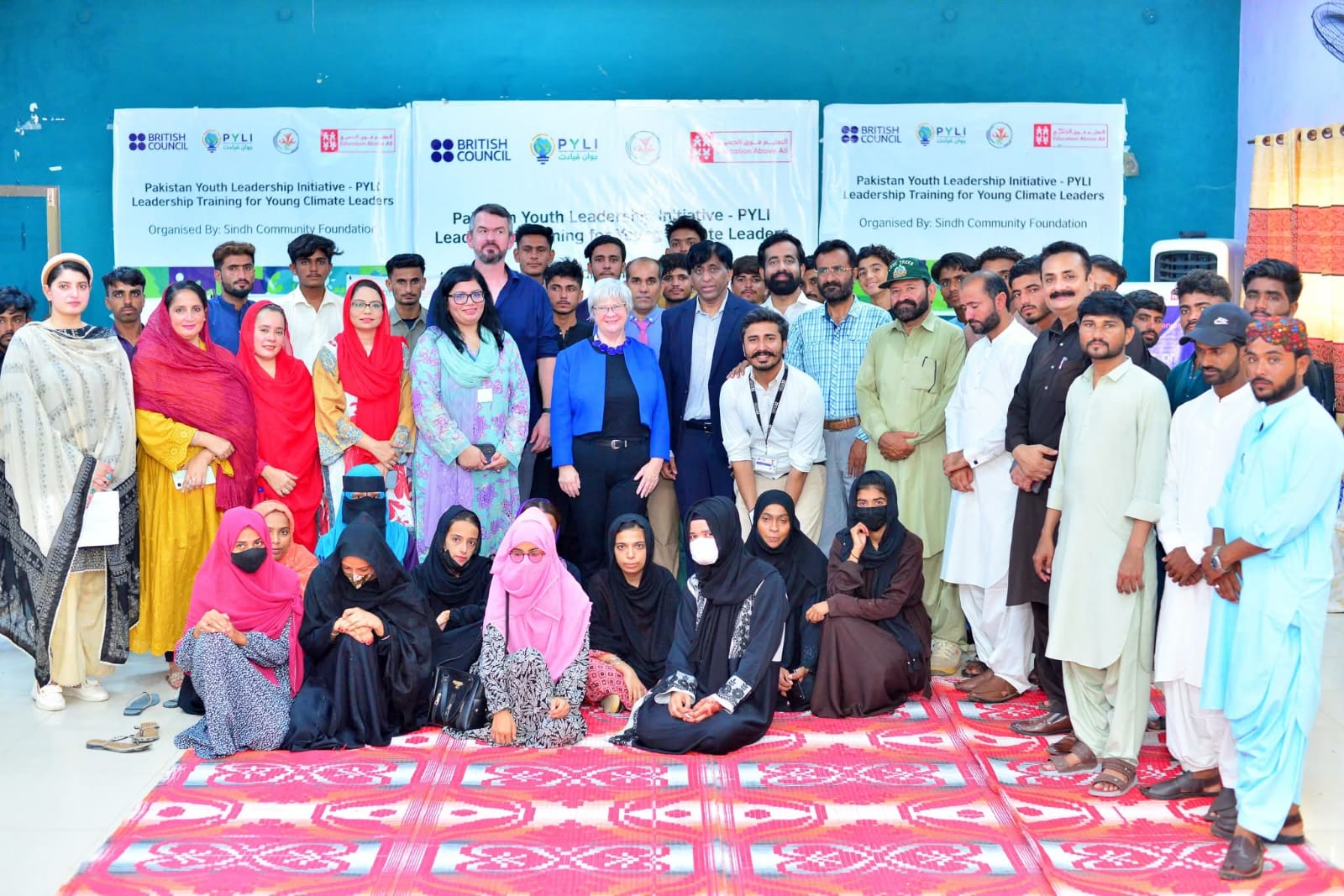
British Council Regional Delegation Visit – Thatta

British Council Regional Delegation Visit – Thatta – Photo 1 British Council Regional Delegation Visit – Thatta – Photo 2 British Council Regional Delegation Visit – Thatta – Photo 3

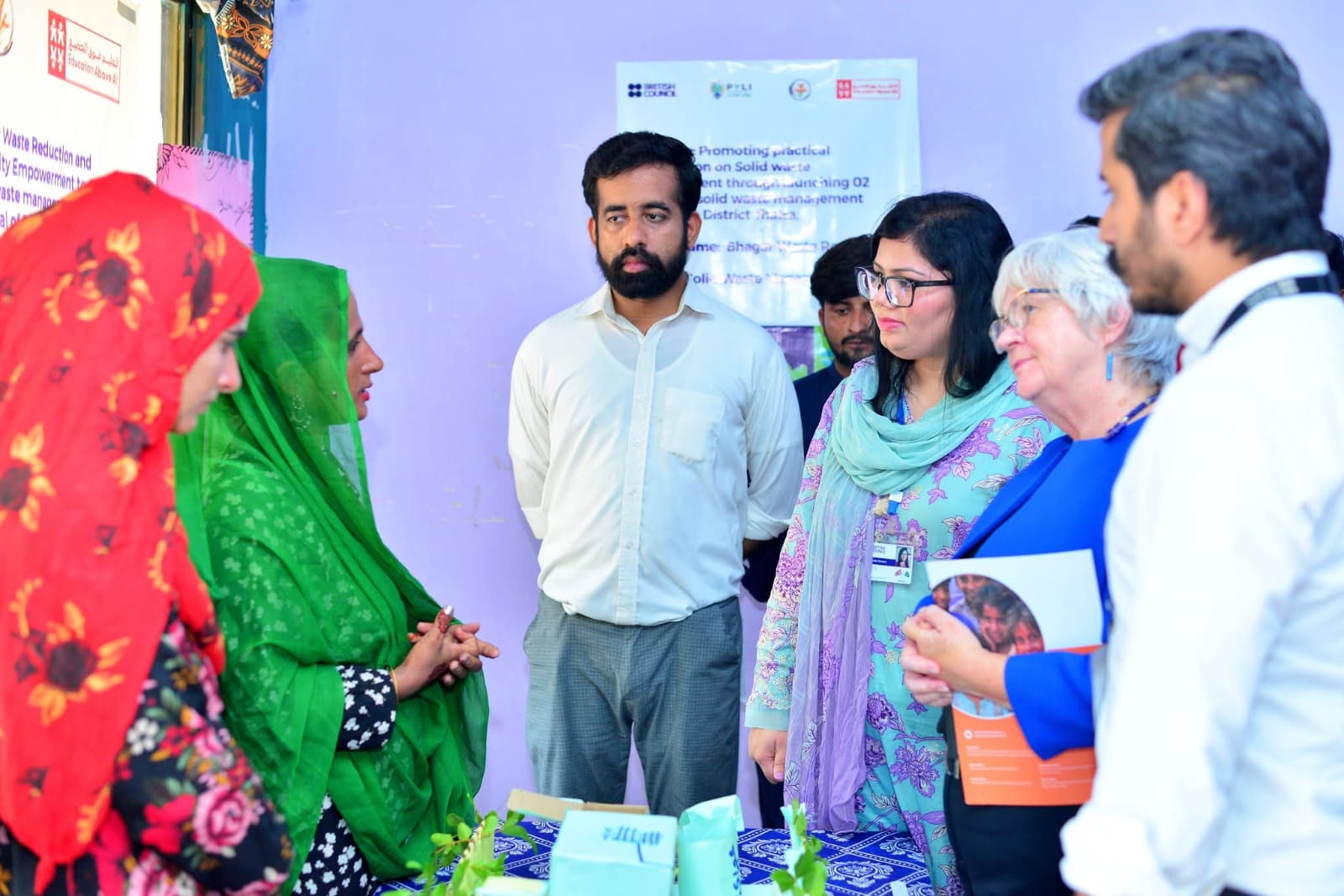
SCF hosted a four-day Youth Leadership for Climate Change workshop in Thatta under the Pakistan Youth Leadership Initiative (PYLI), supported by the British Council. The workshop, held at Makli Ghunghat Khana, engaged 34 young climate leaders, including 11 young women, in intensive sessions on climate resilience, local adaptation strategies, and youth leadership development.

A key highlight was the Youth-Led Action (YLA) Showcasing Event, where participants presented community-based climate solutions developed under previous PYLI cycles. On the third day, a high-level British Council delegation, including Helen Silvester (Regional Director) and James Hampson (Country Director, Pakistan), visited the workshop, interacted with youth participants, and commended SCF's work in strengthening youth leadership for climate action, particularly in climate-vulnerable coastal communities.

Global

SCF Participation at COP30 – Brazil

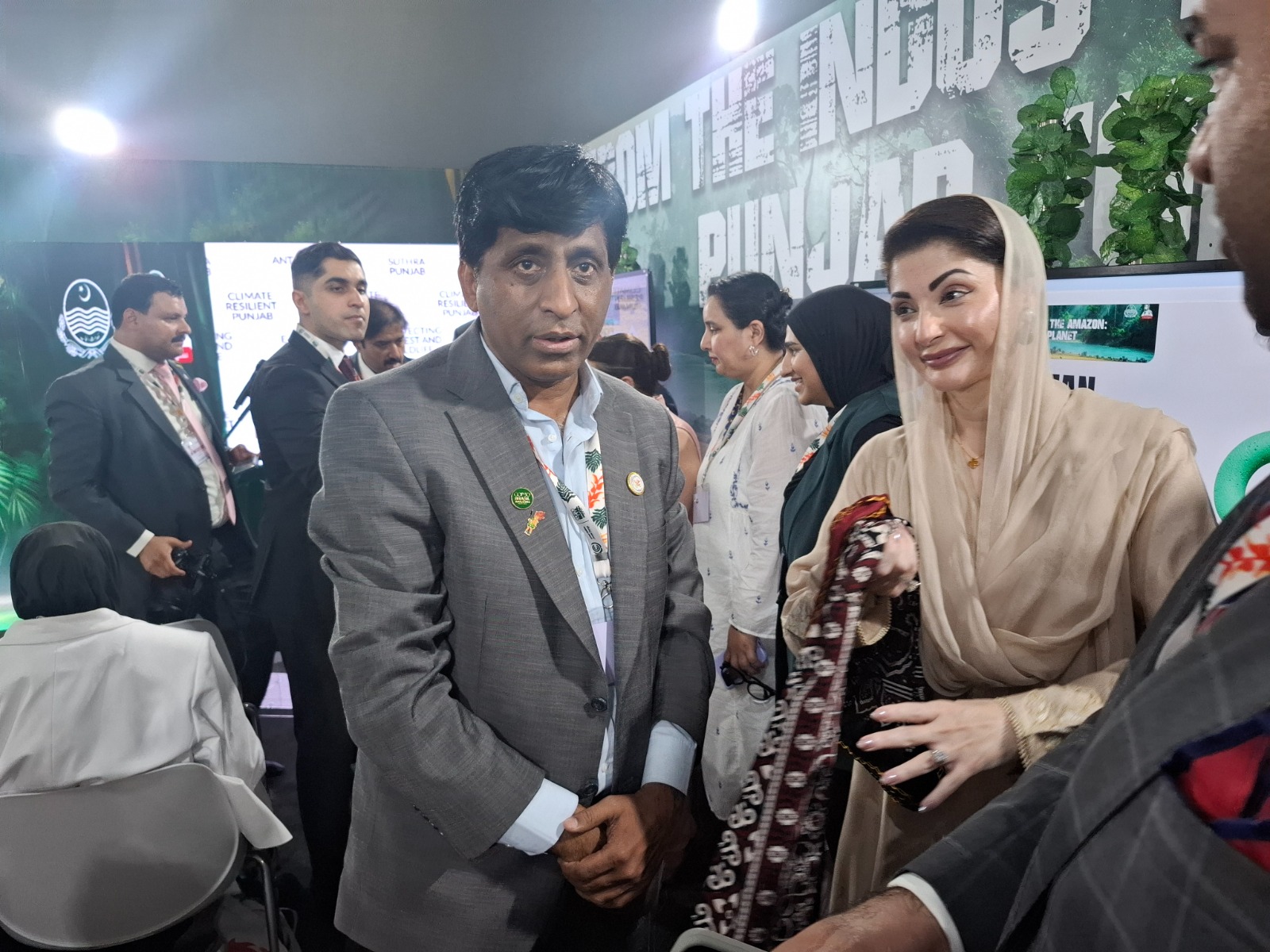
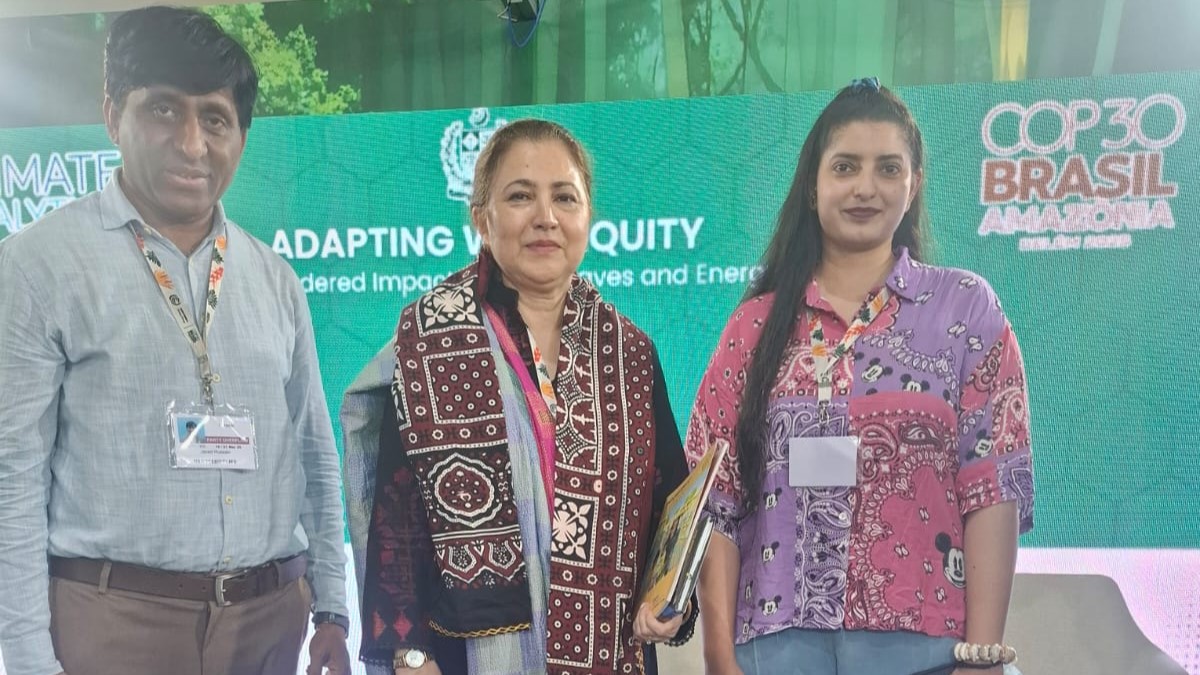
SCF Participation at COP30 – Brazil – Photo 1 SCF Participation at COP30 – Brazil – Photo 2 SCF Participation at COP30 – Brazil – Photo 3

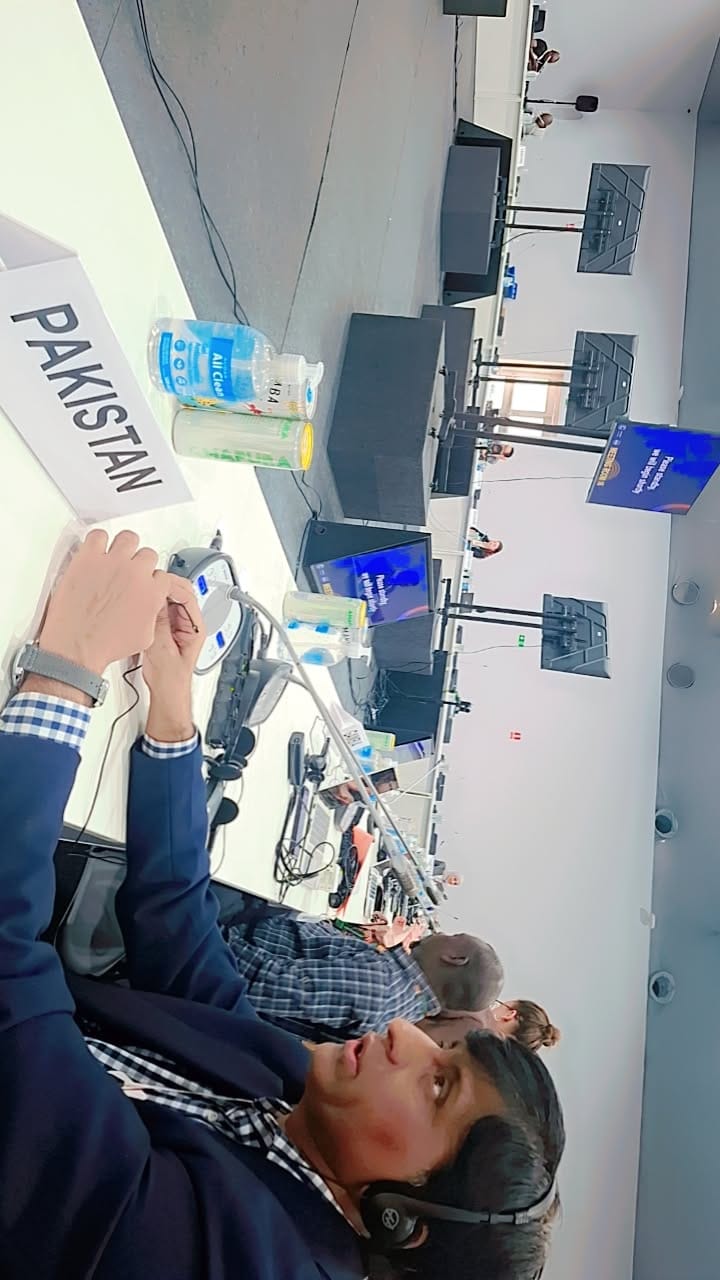
SCF strengthened its global advocacy engagement through participation in the 30th Conference of the Parties (COP30) held in Brazil. Executive Director Javed Hussain and Manager Economic Empowerment Hira Arain represented SCF at the global climate summit, contributing to international dialogues on climate justice, inclusive development, and gender-responsive adaptation.

Throughout COP30, SCF engaged in high-level sessions and side events on decent work and just transition, economic and social resilience, youth leadership, environmental sustainability, gender and climate justice, and climate-resilient livelihoods. At the Pakistan Pavilion, SCF showcased flagship initiatives including climate justice for women cotton workers, climate-safe workplaces, women-led trade unions, community-based disaster risk reduction, and the Women's Economic Empowerment Fund (WEEF).

SCF acknowledges the support of the Ministry of Climate Change and Environmental Coordination, Government of Pakistan. SCF held strategic discussions with Aisha Jamshaid (Country Representative), Matthew (Global Director, WHH), and Azmat Shahi (Coordinator, START Network Pakistan), exploring collaboration opportunities in climate resilience and women-centered adaptation initiatives.

Green Skills

SCF Launches Women's Green Skills Initiative to Combat Climate-Induced Poverty

SCF has launched a groundbreaking initiative to promote women's economic empowerment through green skills training in three climate-vulnerable districts—Thatta, Matiari, and Sanghar—as part of a broader strategy to tackle the escalating impacts of climate-induced poverty.

Supported by the Asian Venture Philanthropy Network (AVPN) under Round 2 of the Asia Gender Equality Fund, the program aims to benefit 3,500 women. Over the next two years, 1,800 women will receive training in green skills and off-season livelihood diversification. 350 of the most affected women will also receive seed support—materials, tools, and tailored business development assistance—to establish small-scale enterprises.

"Climate change continues to disproportionately affect women in rural areas, particularly those relying on seasonal work like cotton picking. This initiative equips women with practical, climate-resilient skills such as sustainable farming, eco-product manufacturing, food preservation, and micro-entrepreneurship." — Javed Hussain, Executive Director

Hira Arain, Manager for Economic Empowerment, noted that in earlier phases SCF trained 1,025 women, resulting in a 30% rise in off-season income. 209 women recently completed six-month literacy classes, boosting their confidence and business management skills. SCF urges government, corporate, and financial stakeholders to streamline access to micro-loans and economic services.

Partnership

Strategic Collaboration with Kindernothilfe (KNH)

SCF strengthened its strategic partnership with Kindernothilfe (KNH) through the implementation of the project "Education, Protection and Climate Smart Future for Every Child – CRSA, District Umerkot."

This initiative focuses on conducting a comprehensive Child Rights Situation Analysis (CRSA) in District Umerkot to identify critical gaps in education access, child protection systems, and climate resilience affecting children and adolescents. Building on the CRSA findings, the partnership aims to promote safe, inclusive, and climate-responsive schools; strengthen parental and community awareness to prevent early marriage and child labour; and improve coordination with district child protection mechanisms.

Through this collaboration, SCF and KNH are advancing a child-centered, rights-based, and climate-informed development model that ensures vulnerable children—especially girls—are protected, educated, and empowered to thrive in climate-affected rural communities.

Livelihood

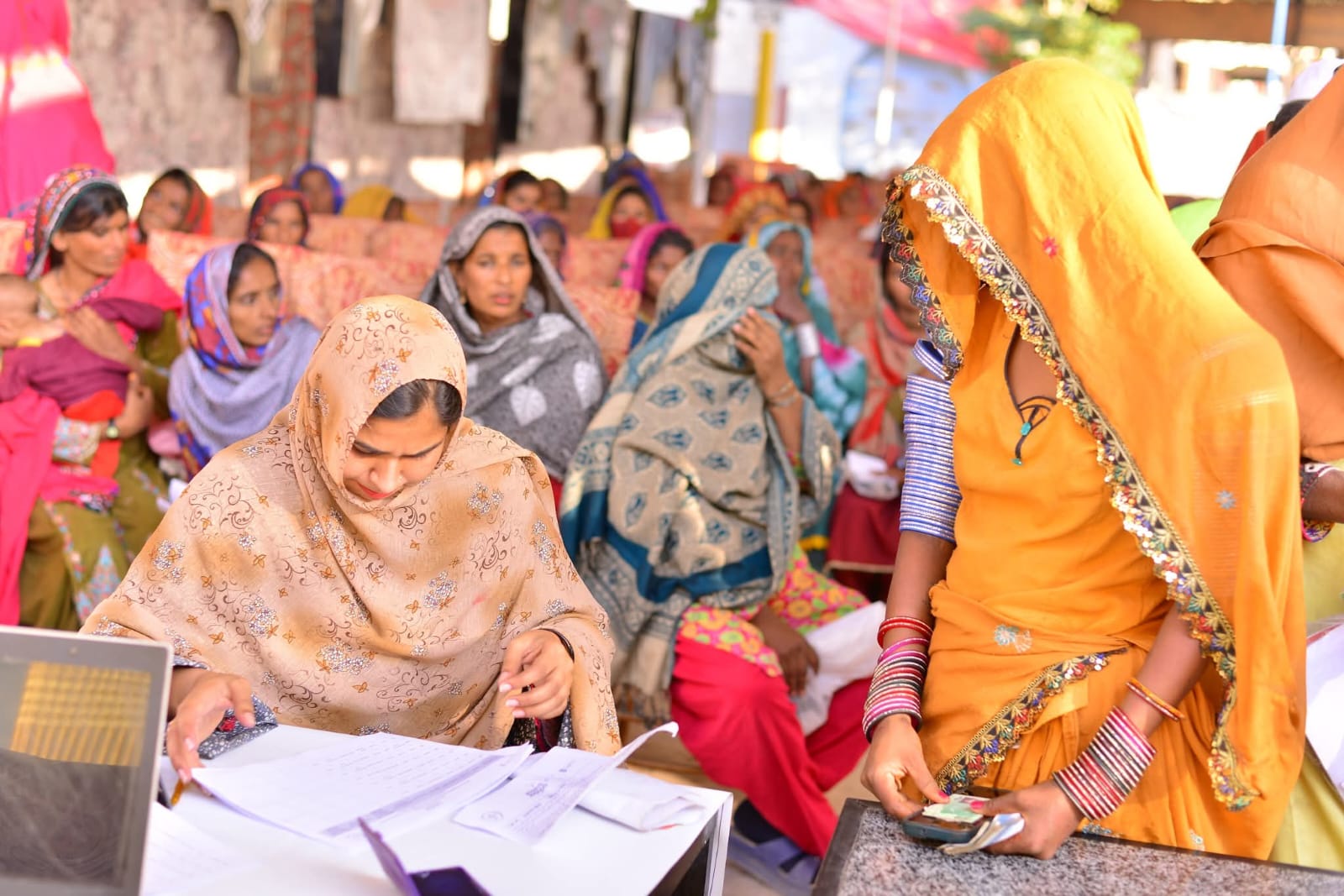
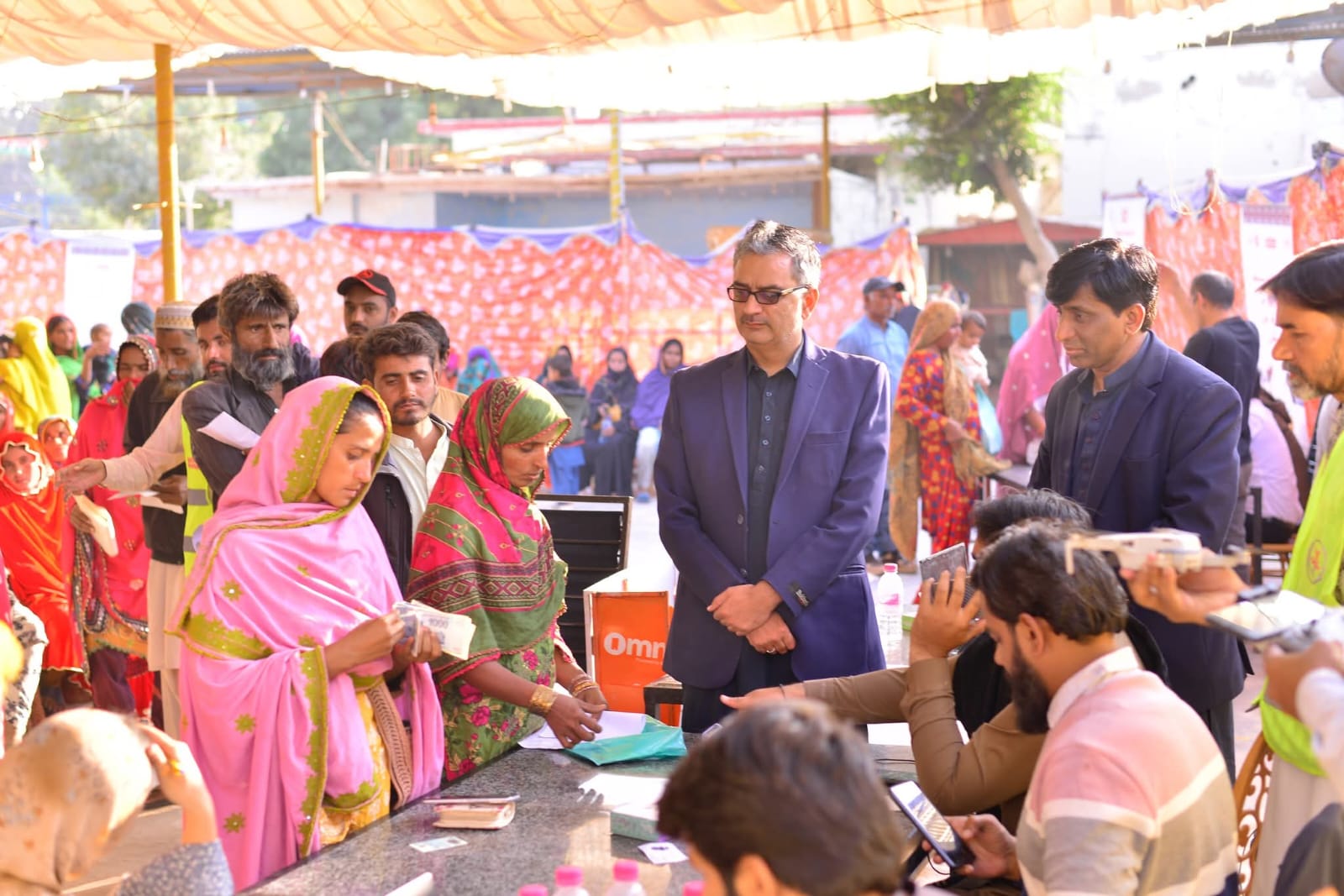
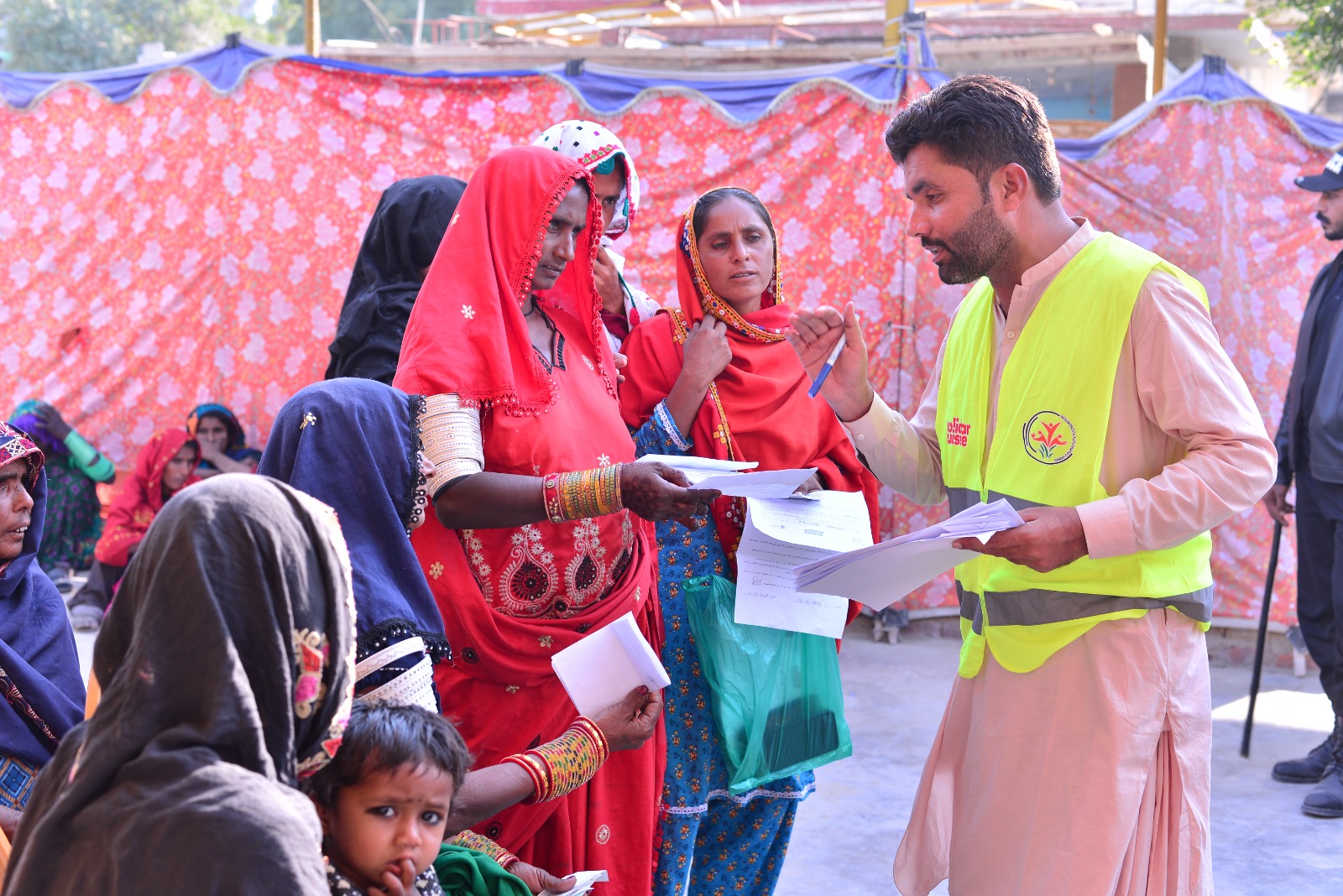
Cash-Based Livelihood Recovery Support for Flood-Affected Communities

Cash-Based Livelihood Recovery Support – Photo 1 Cash-Based Livelihood Recovery Support – Photo 2 Cash-Based Livelihood Recovery Support – Photo 3

SCF provided Cash-Based Transfers to 221 women and 79 men in Sub-District Sinjhoro of district Sanghar whose livelihoods were severely affected by the 2022 floods. With the support of Solidar Suisse, beneficiaries received assistance to restart income-generating activities in livestock and poultry rearing, enabling vulnerable households to restore their livelihoods and strengthen economic recovery.